
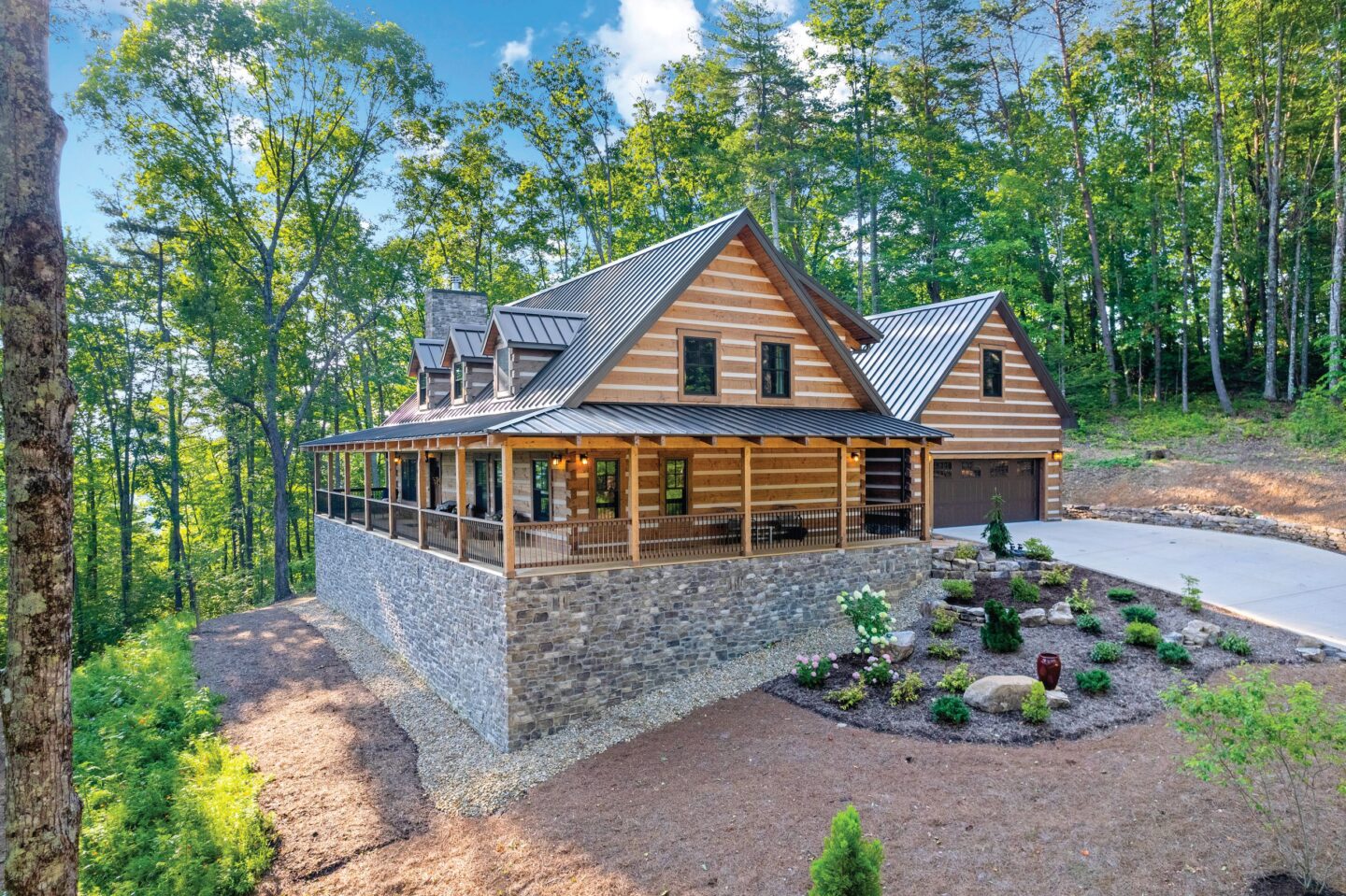
The crucial steps to determine if a parcel is buildable.
Building a custom timber frame, log, or hybrid home is an exciting journey that begins long before the foundation is poured. Choosing the right land and taking the proper steps to plan for construction are critical to ensuring the success of your dream project.
This article will walk you through the essential considerations and actions to take when choosing land and planning for building a custom home.
CHOOSING THE RIGHT LAND
Before selecting a piece of land, consider your long-term goals and how the location and environment will support your lifestyle. Ask yourself:
- Do you prefer rural serenity, suburban convenience, or urban energy?
- How close do you need to be to schools, work, healthcare, or recreational facilities?
- Are you looking for scenic views, privacy, or proximity to specific amenities?
Defining these priorities will help narrow down your search to land that aligns with your vision.
“Purchasing the right piece of land is one of the most important steps in the building process because it sets the project up for success from the beginning,” says Mathew Sterchi, vice president at StoneMill Log & Timber Homes (Knoxville, TN). “Purchase land with good topography. Land with level to moderate slope improves building feasibility and will help to decrease sitework and foundation costs therefore controlling overall construction costs.”
Understanding developed versus undeveloped land as it relates to the overall budget, Mathew advises. “While many prospective homebuyers desire purchasing land with minimal to no restrictions, buyers need to understand how purchasing undeveloped land affects costs. With developed land, the cost of installing roads, power, other utilities, and land survey costs are included in the listing price of the land.”
With undeveloped land, one needs to budget for infrastructure costs, in addition to the land itself. This reality can be a budget buster.
ASSESS UTILITIES AND INFRASTRUCTURE
Ensure the land can accommodate necessary utilities:
- Water Supply: Determine if the land has access to a municipal water supply or if you’ll need to drill a well.
- Sewer System: Check if the property connects to a public sewer system or requires a septic system. A perc test will be needed to evaluate soil drainage for the latter. A “perc” test is an evaluation that tests the rate at which water drains through the soil.
- Electricity and Internet: Confirm the availability of power lines and high-speed internet access. Running utilities to remote locations can add significant costs.
“If a prospective homebuyer desires to build a four-bedroom home and the land only perks for three bedrooms, either a new percolation test would need to be performed or the purchase of a different parcel of land would be recommended,” Mathew says.

CREATE A TEAM
Collaborate with experienced real estate agents, land surveyors, and custom home builders to identify suitable plots. A real estate agent familiar with land sales can guide you through zoning regulations, deed restrictions, and land titles. Land surveyors can provide critical information about the topography, boundaries, and any potential challenges related to the property.
A custom home builder can also evaluate whether the land is appropriate for the home design you have in mind.
CHECK ZONING LAWS AND RESTRICTIONS
Zoning regulations dictate how a parcel of land can be used. Research local zoning laws to ensure the land is designated for residential use and that there are no restrictions conflicting with your plans. These include:
- Minimum lot sizes
- Building height restrictions
- Setbacks from property lines
- Homeowners association (HOA) rules, if applicable
Additionally, verify any environmental restrictions, such as wetlands or wildlife protection zones, that could affect your ability to build.
EVALUATE THE TOPOGRAPHY AND SOIL
The land’s physical characteristics play a critical role in construction feasibility and costs. A plot with flat or gently sloping terrain is ideal, as steep slopes may require costly grading and retaining walls. Hire a geotechnical engineer to assess the soil quality, as poor soil conditions may necessitate additional preparation for a stable foundation. (Swelling soil destroys more homes in the U.S. each year than all hurricanes, tornadoes, earthquakes, and wildfires combined.)
CONSIDER ACCESSIBILITY
Ensure the land is accessible year-round, with reliable roads and proximity to emergency services. Private or rural land may require you to construct a driveway or secure easements for access.
BUDGET FOR LAND AND SITE PREPARATION
Land costs can vary widely based on location, size, and desirability. Account for additional expenses, such as:
- Land clearing
- Grading
- Installing utilities
- Building a driveway or retaining wall
Discuss these potential costs with your builder during the land evaluation process.
PLANNING FOR BUILDING YOUR CUSTOM HOME
Setting a realistic budget is the cornerstone of your custom home project. In addition to the cost of land, factor in:
- Construction costs
- Permits and inspections
- Landscaping
- Furniture and finishes
- Contingency funds for unforeseen expenses
Work closely with your builder to estimate costs and avoid budget overruns.
CHOOSE THE RIGHT BUILDER
Your builder is your partner in turning your vision into reality. Look for a builder with experience in custom home projects and a reputation for quality and transparency. Review portfolios, ask for references, and visit completed homes to ensure their style and craftsmanship align with your expectations.
COLLABORATE ON THE DESIGN
Collaborating with your builder, designer or architect is key to designing a home that reflects your preferences and lifestyle. Consider the following:
- Functionality: Plan for the number of bedrooms, bathrooms, and shared spaces based on your family’s needs.
- Future-Proofing: Design with adaptability in mind, such as including home offices or multi-generational living spaces.
- Energy Efficiency: Incorporate sustainable features like solar panels, energy-efficient windows, and smart home systems.
SECURE NECESSARY PERMITS
Building permits are required to ensure your project complies with local building codes. Your builder will typically handle the permitting process. But be prepared to provide information about your design and intended use of the property.
PLAN THE CONSTRUCTION TIMELINE
Discuss the timeline for your project with your builder. Factors that can affect the timeline include:
- Weather conditions
- Availability of materials
- Permitting and inspection delays
Building a custom home often takes 8–12 months or more, depending on the size and complexity of the home.
COMMUNICATE CLEARLY
Open and frequent communication is essential to keep the project on track. Regularly review progress, discuss any changes, and address concerns promptly. Many builders offer project management tools to help you monitor timelines, budgets, and milestones.
PREPARE FOR THE UNEXPECTED
Construction projects often come with surprises, from weather delays to material shortages. Build a contingency fund into your budget to cover unforeseen expenses, and maintain flexibility in your timeline to account for delays.
Building a custom home starts with finding the perfect piece of land and planning each step with care. By defining your goals, evaluating potential plots with professionals, and preparing for the construction process, you’ll set yourself up for a successful project. Partnering with experienced professionals and maintaining clear communication will help ensure your custom home not only meets but exceeds your expectations.
“Taking the time to make informed decisions at every stage will allow you to enjoy the process and, ultimately, the home of your dreams,” Mathew says.