
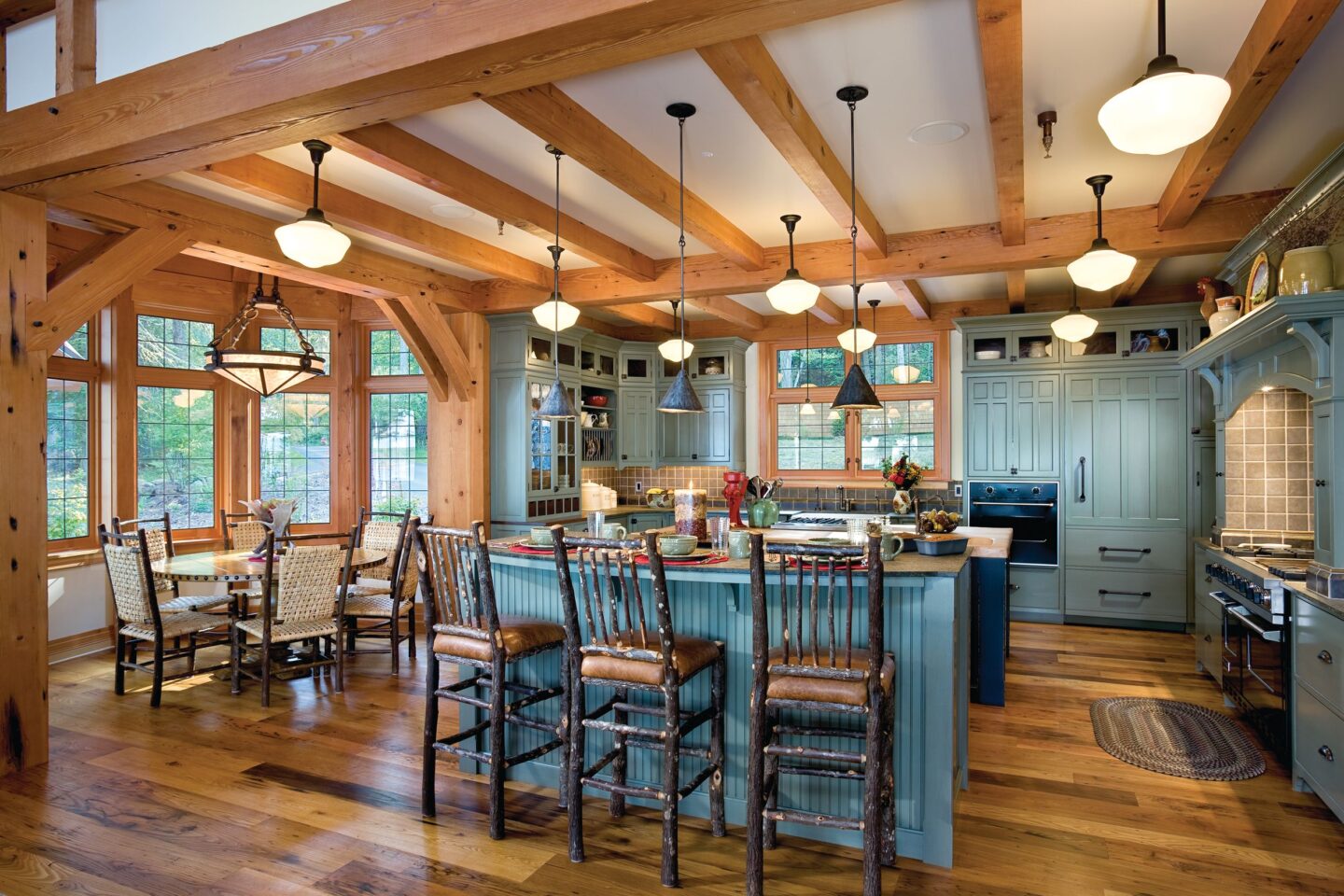
Future-proof your log or timber-frame design through careful planning to create a home where you can gracefully age in place.
Building a log, timber frame or hybrid home is often a lifelong dream, cherished for its charm, natural beauty and enduring strength. However, designing such a home to suit life’s changing needs requires careful planning. From raising children to enjoying retirement, a well-thought-out floor plan ensures that a home remains functional, energy-efficient and welcoming through all stages of life.
Young families often hesitate when considering building a log or timber home, concerned about the perceived upfront cost. Mathew Sterchi, vice president at StoneMill Log & Timber Homes (Knoxville, TN), recommends developing a budget before designing the home’s floor plan, even if it needs to be revisited as the design develops.
“Decide on the minimum size of rooms,” he says, listing some of the initial considerations that impact both the budget and long-term livability. “This is about function versus form. How are you going to grow into the space in terms of daily living and life changes?”
A flexible floor plan—one that allows for the addition of bedrooms or living spaces—makes expanding the home as the family grows both feasible and cost-effective.
Mathew, a seasoned expert with decades of experience in helping homeowners acquire their perfect place, pointed out that those looking to save money often consider designing a two-bedroom house. However, even if they plan to stay in the home long-term, circumstances may eventually require them to sell.
“A two-bedroom is much harder to sell than a three-bedroom home,” Mathew says. He recommends adding a third bedroom that can serve as a private home office for remote work, a craft or hobby room or a designated playroom.
Mathew emphasizes the importance of discussing both current lifestyles and future goals during the design process. Collaborating with experienced architects and builders who specialize in log and timber construction ensures that a home is both timeless and tailored to the homeowner’s needs. These professionals understand the structural nuances of working with wood and help balance aesthetic aspirations with practical considerations.
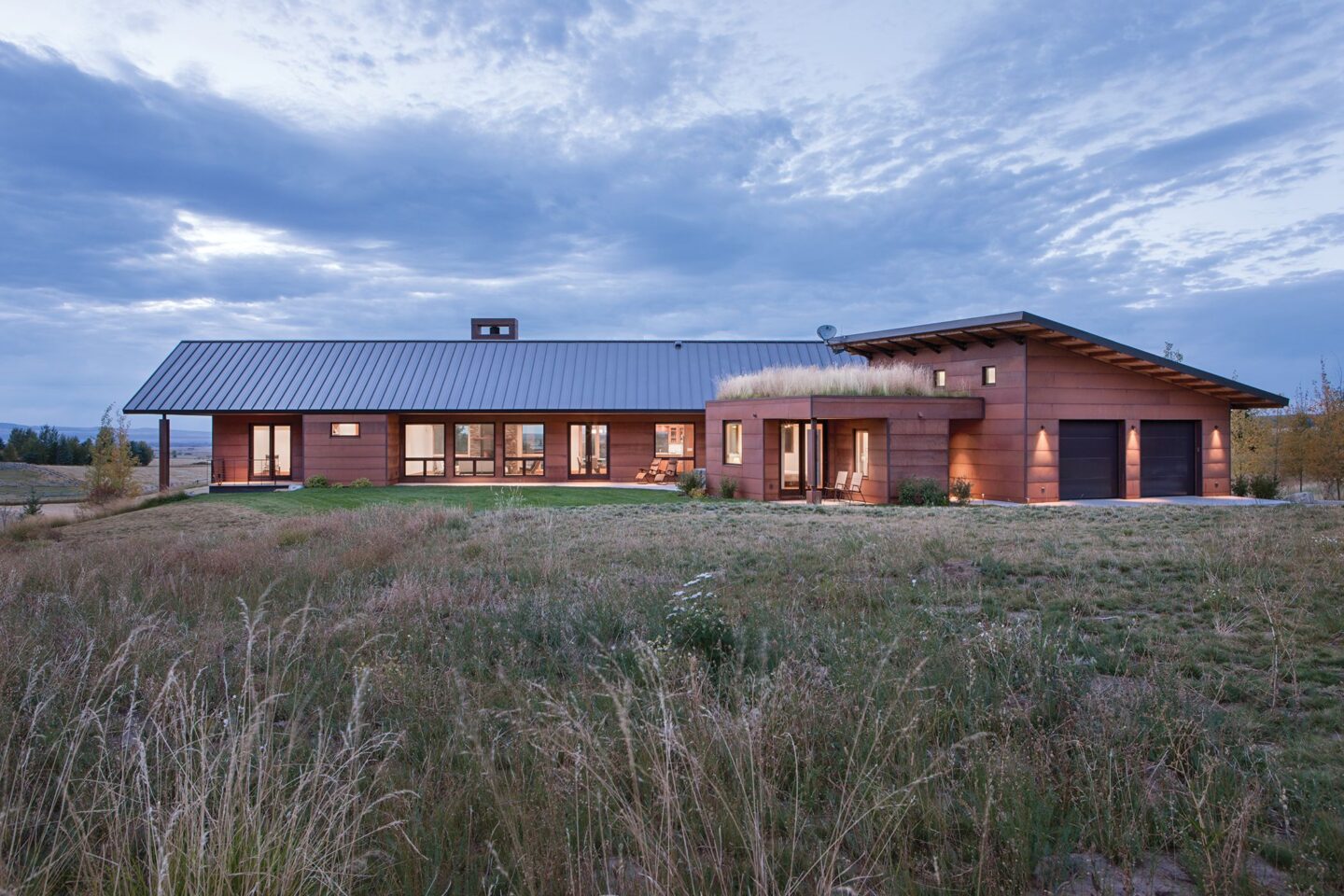
DeWayne Crumley, owner of Serenity Log Homes (Florence, AL), observed that as families mature and children grow, their needs evolve. Open-concept living areas, where the kitchen, dining and living rooms flow together, create a welcoming environment for family interaction and provide ample room for entertaining friends and loved ones.
“A well-designed log or timber frame home can easily accommodate life’s changes,” says Dewayne. “It can support the hustle and bustle of teenage years and the eventual quiet as children leave the nest.”
Dewayne recommends incorporating durable materials and finishes to ensure the home can withstand the wear and tear of an active household. He also emphasizes the importance of thoughtful storage solutions, such as built-in cabinetry and spacious closets, to help keep the home organized during its busiest years.
“Outdoor spaces also play a role in both short-term and long-term comfort,” Dewayne says. “Covered porches, pavilions and decks create inviting areas for relaxation and socializing, while an attached garage with minimal steps improves accessibility in all weather conditions.”
Designing a log or timber home that will stand the test of time means considering how needs may evolve in later years. According to architect David Shirley of New Energy Works (Farmington, NY), thoughtful design from the outset is crucial.
“Homes should be designed for comfort, health and durability,” David says. “Whether those goals are met depends on the design of the home, the materials chosen and how it is built.”
He also believes that long-term accessibility should be a key priority, particularly for those building a home where they intend to spend a lifetime. Prioritizing single-level living with a primary bedroom suite on the ground floor enhances convenience and safety. Wide doorways and hallways accommodate mobility aids if needed, while features like pull-out drawers in the kitchen make cookware and dishes more accessible. In the bathroom, curbless showers, grab bars and slip-resistant flooring provide security without compromising aesthetics.
Mathew, Dewayne and David all agree that no matter what stage of life a homeowner is in, two key factors must always be considered when planning and designing a log or timber home: energy efficiency and maintenance.
The inherent insulating properties of log construction, as well as timber frame construction, which is often paired with Structural Insulated Panels (SIPs), provide superior thermal performance.
“When combined with modern building techniques, these materials help reduce heating and cooling costs, offsetting initial construction expenses and easing long-term financial concerns,” said David. “Properly placed windows, energy-efficient doors and strategic home orientation can further enhance energy savings by maximizing natural light and passive heating and cooling.”
Maintenance is another critical consideration that affects a home’s longevity and overall upkeep. “Choosing properly processed wood, applying high-quality sealants and finishes and incorporating protective design elements significantly reduce the time and effort required for maintenance,” says Dewayne. “Features such as a metal roof, deep overhangs, and covered porches help shield exterior wood from the elements, while durable foundation materials make cleaning and upkeep easier.”
Thoughtful landscaping, including proper drainage and grading, can also prevent moisture-related issues that could impact the home’s structure over time. By addressing energy efficiency and maintenance from the start, homeowners ensure their log or timber home remains comfortable, durable, and cost-effective throughout its lifetime.
A well-designed log or timber frame home is more than just a place to live—it is a space that evolves alongside its owners, offering both comfort and practicality through every stage of life. Achieving this requires thoughtful decisions from the start, including establishing a budget that aligns with both needs and long-term goals.
Beyond meeting immediate needs, a well-planned home becomes a lasting legacy, welcoming future generations and creating a space for family gatherings, holidays and cherished traditions. Mathew reminds homeowners that thoughtful choices in design and construction help ensure that a log or timber frame home remains as functional and beautiful in later years as it was on move-in day. By prioritizing flexibility, efficiency and quality craftsmanship, homeowners can build not just for today but for the future—creating a home that stands the test of time, both structurally and in the memories made within its walls.