

Understanding a home’s geographical location is crucial for optimizing its energy efficiency, to account for local climate and weather patterns, which will greatly influence heating, cooling and lighting needs.
Building a log or timber frame home is a significant investment and properly positioning it on the building site is crucial for aesthetics, energy efficiency, and long-term functionality. The right placement enhances views, maximizes energy efficiency, ensures easy access to utilities, and accommodates driveways and egress points. This building column provides essential considerations and best practices for positioning a log or timber frame home on a building site.
Understanding the Site’s Topography and Orientation
The first step in positioning a log or timber frame home is to conduct a thorough analysis of the site’s topography. This involves evaluating slope, drainage patterns, soil composition, and natural vegetation. A home should be placed on stable ground to minimize excavation and foundation costs while ensuring proper water runoff management.
“Situating a home on a property is a big topic,” says Doug Parsons with Appalachian Log Structures (Ripley, West Virginia). “So they have to develop their home design priorities based on that property. A home in a suburban setting might be best if facing the street. A home in a rural area with plenty of acreage might position the home to take advantage of the view or to just take advantage of the best laying land and driveway access. So you can see that a lot of the design ideas are based on the actual property itself. ”
Orientation plays a crucial role in energy efficiency and comfort. A south-facing home can take advantage of passive solar heating, reducing heating costs in winter. In contrast, strategic window placement can mitigate excessive heat gain in summer. Wind patterns should also be considered to position the home for natural ventilation while minimizing exposure to harsh winds.
Maximizing Views and Privacy
One of the primary appeals of log and timber frame homes is their natural aesthetic, often set in scenic locations. Positioning the home to maximize views of mountains, forests, lakes, or valleys enhances the living experience. This may involve placing primary living areas, such as the great room and master bedroom, to face the best views.
Simultaneously, privacy should be factored in. Locating the home away from busy roads or neighbors, using natural landscaping as buffers, and angling windows and outdoor living spaces appropriately can help maintain seclusion without compromising sightlines.
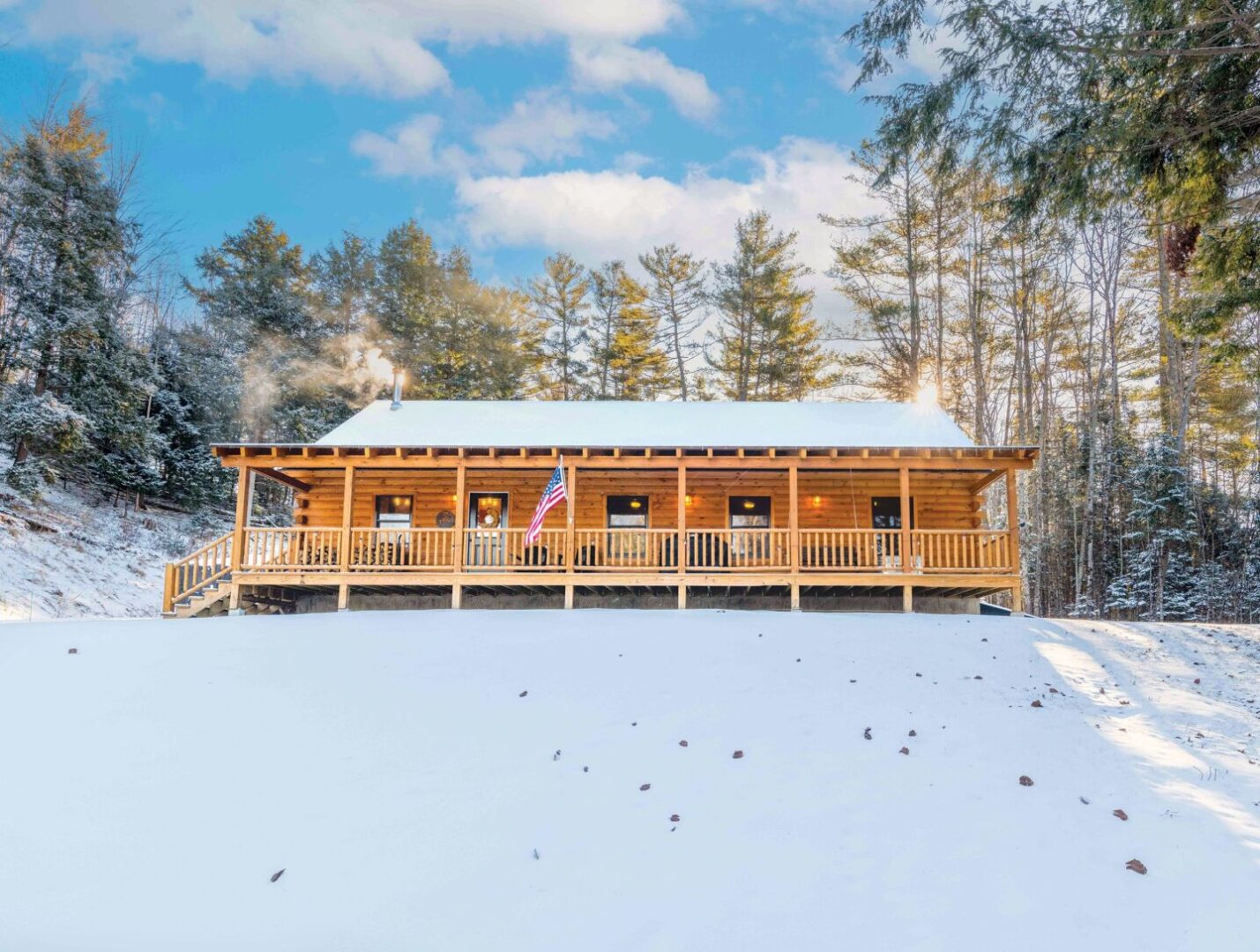
Access to Utilities: Water, Sewer, and Electricity
“In all cases the access to utilities is one of the first items on the list that has to be considered,” Doug says. Proper planning ensures seamless access to utilities, which significantly impacts cost and convenience.
- Water Supply: If a municipal water supply is available, positioning the home near existing service lines reduces connection costs. For well water, selecting a location with a viable water table is essential.
- Sewage System: Homes that rely on septic systems must be positioned based on percolation test results, ensuring adequate soil drainage. The septic field should be placed downhill from the home to facilitate gravity-assisted flow.
- Electricity and Communications: Connecting to the electrical grid requires consideration of pole placement and trenching costs. If off-grid solutions like solar power are planned, orientation and shading must be considered for maximum efficiency.
Driveway Placement and Access Considerations
A well-designed driveway ensures easy and safe access to the home year-round. Driveway considerations include:
- Slope and Grade: A driveway should ideally have a gentle grade, as steep driveways can be hazardous in icy conditions. Switchback designs may be necessary for steep sites.
- Material Choice: Gravel, asphalt, or concrete should be selected based on climate conditions, maintenance requirements, aesthetic preferences, and budget constraints. “The budget is always a factor in the end result,” Doug says.
- Egress and Parking: Driveways should allow easy egress, accommodating multiple vehicles and delivery trucks. Circular or pull-through driveways improve accessibility.
Positioning for Sunlight and Energy Efficiency
Passive solar design principles can significantly enhance energy efficiency. Key considerations include:
- South-Facing Orientation: Positioning the home to receive ample southern sunlight in winter reduces heating needs.
- Overhangs and Shading: Extended roof overhangs can not only shield the home from excessive heat gain in summer months, but they can also protect the logs from Mother Nature’s wrath. Strategically placed trees can block excessive summer heat while allowing winter sun to penetrate windows.
- Window Placement: Large south-facing windows maximize light and heat, while smaller north-facing windows minimize heat loss.
Considering Wind and Weather Patterns
Understanding prevailing wind patterns is critical for positioning doors, windows, and outdoor living spaces. Windbreaks such as tree lines, berms, or fences can be used to protect against strong winds. Additionally, positioning the home in a sheltered location can minimize exposure to extreme weather conditions.
Integrating Outdoor Spaces
Log and timber frame homes often feature expansive porches, decks, and patios. Positioning the home to integrate seamlessly with outdoor spaces ensures functionality and aesthetic harmony. Factors to consider include:
- Sun and Shade Balance: Position decks and patios where they receive the desired amount of sun or shade throughout the day.
- Wind Protection: Natural barriers or constructed windbreaks help make outdoor spaces more comfortable.
- Views and Privacy: Aligning outdoor spaces with the best views while maintaining privacy enhances the living experience.
Plan for the Future
If there are plans for future expansions, garages, an additional dwelling unit, or a mother-in-law suite, the home should be positioned to allow for seamless additions. This avoids costly modifications or demolition in the future.
Environmental and Legal Considerations
Before finalizing positioning, local zoning laws, setback requirements, and environmental regulations must be reviewed. Conservation areas, protected wetlands, and building height restrictions can influence home placement.
Working with Professionals
Use your team to help you with these decisions. Consulting with architects, engineers, and surveyors ensures the best possible home placement. Their expertise helps balance aesthetics, functionality, and regulatory compliance.
Positioning a log or timber frame home is a meticulous process that balances natural beauty, practical utility access, and long-term efficiency. By carefully considering topography, views, utilities, driveway access, energy efficiency, and outdoor integration, homeowners can create a harmonious living space that blends seamlessly with the surrounding landscape. Thoughtful planning leads to a home that not only looks stunning but also functions optimally for years to come.