
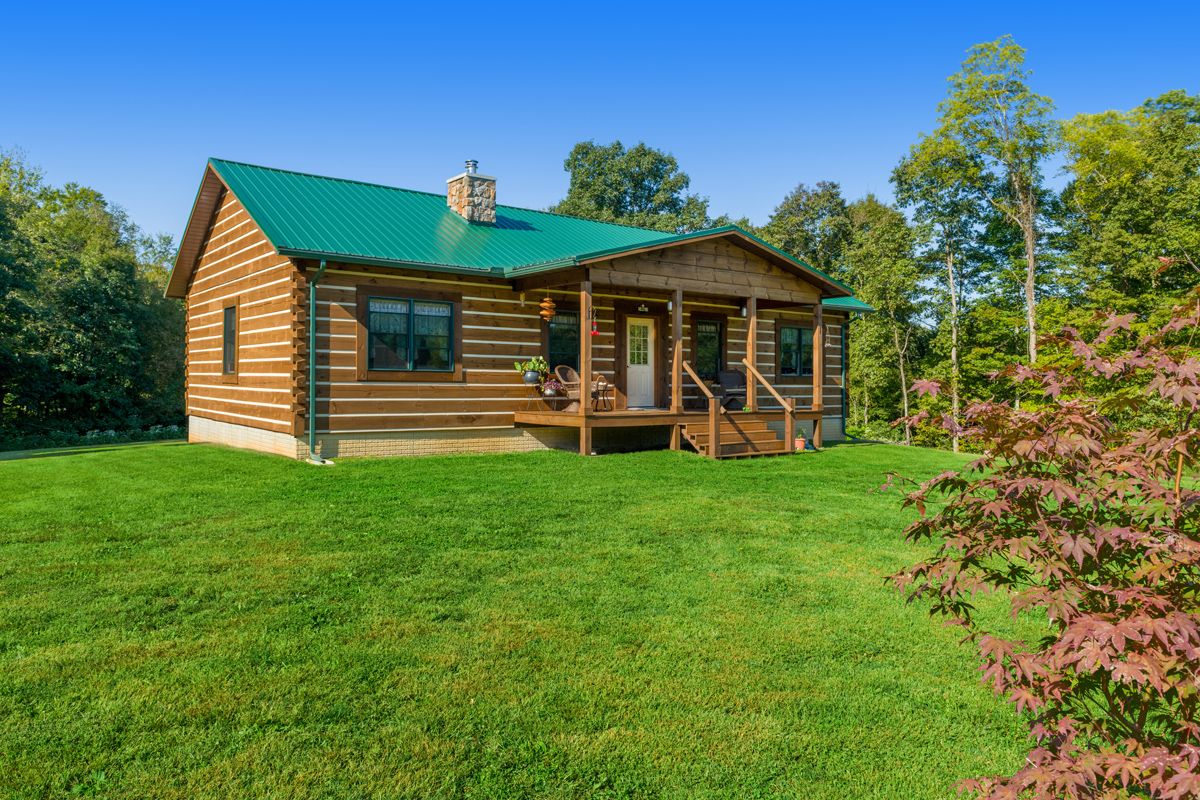
If the idea of a forever home on one level with no stairs is appealing, you can make that dream a reality with these strategies.
Building a single-story log or timber frame home requires strategic planning to ensure affordability, efficiency, and long-term sustainability.
Architect Mathew Franklin at PrecisionCraft Log & Timber Homes and MTN Design (Meridian, ID) advises that opting for a one-story design can cost more simply because one is not benefitting from the economies of scale when building up with a loft or second story, or down into a basement. “The homebuyer is purchasing every square foot from the foundation to the roof top,” Mathew says.
However, log and timber frame designers say that by implementing cost-saving measures on a per-square-foot basis, homeowners can achieve their dream home without unnecessary expenses. This guide outlines essential strategies for maximizing value while maintaining quality and aesthetics.
Site Selection and Preparation
Land costs vary by location and size. The cost to purchase a lot varies significantly depending on size, location, or whether infrastructure costs are included in the purchase price. It can be as inexpensive as $5,000 to as high as $150,000, or even more.
The amount of land preparation required also needs to be calculated into your building costs, which Home Advisor estimates to be between $2,000 to $35,000. These costs can include expenses such as soil testing, land excavation, grading, and surveyor fees.
According to the National Association of Home Builders (NAHB), the U.S. median lot price is $58,000. But in some parts of the country, such as New England or coastal areas, the price can jump to $180,000 or $150,000, respectively.
Choosing the right site can significantly impact overall costs. Considerations include:
- Topography: A relatively level site minimizes excavation and foundation expenses.
- Drainage: Proper grading prevents water damage and reduces future maintenance costs.
- Orientation: Positioning the home to maximize natural light reduces energy bills by enhancing passive heating and cooling.
Optimizing Structural Design for Affordability
Careful structural planning ensures durability while controlling construction costs. Key strategies include:
- Simple Footprint: A rectangular or square layout minimizes material waste and construction complexity.
- Efficient Foundation: A slab-on-grade foundation is more cost-effective than a basement or crawl space.
- Standardized Materials: Using common log or timber sizes reduces waste and material costs.
- Prefabrication: Pre-cut or modular timber components can streamline construction and lower labor expenses.
Cost-Effective Energy Efficiency Strategies
Energy efficiency reduces long-term operational costs. Consider:
- Thermal Mass: Logs naturally store and release heat, reducing heating and cooling demands.
- Sealing and Insulation: Proper chinking, caulking, and additional insulation enhance energy performance.
- Strategic Window Placement: Large south-facing windows maximize solar gain while minimizing heat loss through smaller north-facing windows.

Efficient Interior Layout and Space Utilization
Maximizing interior space reduces the need for additional square footage, leading to cost savings. Strategies include:
- Open Floor Plan: Fewer walls reduce material and labor costs while enhancing flexibility.
- Ceiling Height: Vaulted or exposed beam ceilings enhance the sense of space and provide architectural interest.
- Reduce or eliminate hallways.
- Multi-Functional Spaces: Design areas that serve multiple purposes, such as a combined dining and living space.
- Built-In Storage: Custom shelving and storage nooks optimize space without increasing square footage.
Smart Utility Planning
Streamlining utility installations reduces labor and material expenses:
- Centralized Plumbing: Keeping bathrooms, kitchens, and laundry areas close together reduces material and labor costs.
- Efficient HVAC Systems: Ductless mini-splits or radiant heating offer energy-efficient climate control with lower installation costs.
- Alternative Energy Sources: Solar panels and energy-efficient appliances can provide long-term utility savings.
Outdoor Integration for Cost Savings
Enhancing outdoor spaces can increase livable areas without high indoor construction costs:
- Covered Porches and Patios: Extending outdoor living spaces is more affordable than adding square footage to the interior.
- Low-Maintenance Landscaping: Native plants and xeriscaping reduce water and upkeep costs.
- Efficient Driveway Design: A compact driveway with cost-effective materials like gravel can minimize expenses.

Long-Term Maintenance Considerations
Ensuring the longevity of a log or timber home reduces future repair costs:
- Protective Finishes: Regularly sealing wood surfaces prevents moisture damage and extends the home’s lifespan.
- Proper Gutter Systems: Directing water away from the foundation minimizes erosion and structural issues.
- Routine Inspections: Regular roof and foundation checks prevent costly repairs down the line.
How Much Do Professional Builders Spend?
The total cost of an average new home in the U.S. breaks down thusly, according to a recent Cost of Doing Business Study: The Business of Building, published by BuilderBooks.com, a division of the NAHB.
- Finished lot costs 20-25% of the total selling price, with half of that reflecting infrastructure costs, such as utilities and driveway.
- Building materials, everything from foundation and flooring, to porches and roofs, cost 25-30% of the total.
- Onsite labor costs 20-25%.
- General overhead is about 6%.
- Financing costs are about 2%.
Thinking of being your own general contractor to save money? Small-volume builders (constructing an average 4.9 homes a year) who built exclusively on their clients’ land had an average gross profit margin of 18.9% and an average net profit of 4.8%, according to the study.
If you decide to build your own home, you won’t earn all of that 4.8%. You will pay far more for labor, since subcontractors will see you as a one-time job and price their services accordingly. You will also pay more for specialty tools needed in log and timber frame construction. Professional log and timber home builders pro-rate their tools costs over several jobs. You will also pay more for insurance, since insurance companies will see you as a greater risk. It’s also almost guaranteed you will make costly mistakes that pros won’t, which will cost you more in time, materials and labor.