Keeping It Cozy
Keeping It Cozy

Log Cabin Homes Coast to Coast

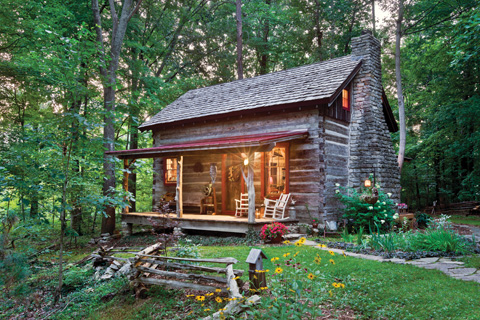
There was a time in the not-too-distant past when regional log availability and building techniques dictated the types of homes that one could build in specific areas of the United States. Round logs were prevalent in the Northeast and in certain Midwestern states while square log homes with dovetail corners dominated in the Appalachian region, including the Virginias and the Carolinas.  Adirondack homes were large, but were made from smaller logs that are indigenous t…

Warm Weather Checkups

While warm temperatures and sunshine are the hallmarks of summer weather, the seasonal care and maintenance of a log or timber home is an ongoing effort. “Your home shelters you and your family,” says Dena Taylor of Great South Log Home Services. “Plus, it was a huge investment. Protect your home and your investment. Don’t neglect it. It will only lead to problems that may be expensive to fix. Be familiar with the exterior of your home. If you notice any changes that appear …

America’s Log Castles

That storybook log home, complete with the storybook look, is attainable—even for those who have to watch every penny. Materials and square footage are two primary drivers of a construction budget, but that unique dream home can become a reality without sacrificing style or comfort. Effectively managing the bottom line requires an evaluation of wants, needs, and personal preference. Consider the investment in living space. Options include scal…

To Chink or Not to Chink

It may be a simple case of personal preference, or it could be a vital component of structural integrity. In most cases, it is a little bit of both. Log and timber homeowners consistently confront the common question of whether to chink the interior or exterior of their homes, and the answer is as subjective as the style of the home itself. “Log or timber homes with wider gaps between the logs are built with chinking in mind,” explains John Schroeder of northern Minnesota-based…

Blue = The New Green

Go Blue to Go Green Although 70 percent of the earth is covered by water, less than one percent of that is available for human use. On average, Americans use 80 to 100 gallons of water each day—more per capita than people anywhere else in the world. With at least 36 states facing water shortages by 2013, it makes sense to conserve water. Small changes around your house can make a big difference. You’ll save money on your water bill, and you’ll reduce the amo…

Should You Be Your Own General Contractor?

If you’ve ever looked seriously into building a log home from scratch, then you know it’s usually not a low-cost endeavor. One potential way to keep costs down is with an idea that many potential log home buyers have entertained: Taking on the role of the general contractor themselves. And while this can result in substantial savings if done correctly, it’s a big responsibility, and certainly not a role to be taken lightly. “It’s certainly possible to do it yourself, but you’re going to need guidance, a…

Great Room Design Tips

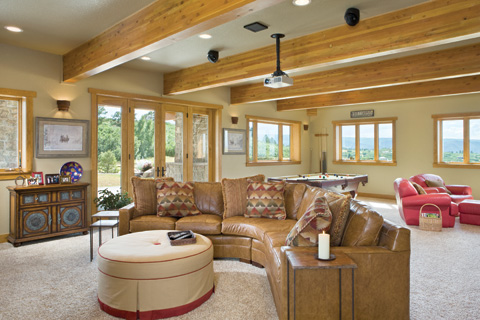
The next several pages feature floorplans from log home companies throughout North America.  The floorplans show a mixture of big homes and small, intricate and simple homes … there are myriad styles to choose from.  A common room nowadays in a log home is a great room.  Here are some ideas to consider when you are designing a great room for your log cabin home. What makes a great room great? “The primary design aspect people typically want to achieve is an open living space between the g…

Setting the Stages

It’s an undertaking that most folks will complete only once or twice in a lifetime, and building a log or timber home, they find, is a journey, a process that involves several distinct steps. An understanding of those steps and how they come together in the finished product is essential. “There are some things we run into that nobody can control,” acknowledges Brad Mercer, sales manager at Timberhaven Log & Timber Homes. “Unfortunately, the weather can play a part in the process. …

Old Meets New

Half-Mile Farm goes all the way in bringing the warmth and charm of yesteryear together with the finest amenities of today. Amid the splendor of the Appalachian Mountains in Highlands, North Carolina, Half-Mile Farm is the perfect retreat for couples, wedding parties, and travelers who treasure the fine blend of history, modern convenience, and glorious scenery. MossCreek Rustic American Home Design provided expertise to fulfill the vision that brought 19th-century cabins, more than 150 years old, to Hi…

Taking Care of Basics

For log and timber homeowners, the maintenance mantra is simple: Take care of the basics. Taking advantage of some advice from experts Tony Huddleston of Perma-Chink Systems and Scott McCain of Mountain Home Building Products, even maintenance dummies will go to the head of the class. Start with the basics. Take a walk around your home at least twice a year. It will help you get acquainted with your home’s exterior and give you an opportunity to check the …

Sleepy Bear Lodge

At the age of 13, Sophie Rosenfeld moved with her parents from New York City to the White Mountains of New Hampshire. “My parents, who were natives of Poland, came to the United States in 1960,” explains Sophie, “and lived in a gritty part of New York for 16 years. They yearned to relocate to a tranquil place filled with natural beauty. After some investigating, they chose northern New Hampshire. With its lilac bushes, birch trees, and wondrous mountains, this rural area is very similar to the environme…